Close

Ceggia

Ceggia–Oriago–Venice is a park of Purgatory, a park of carnival and community.

At the center of the park is Canto V of Purgatorio, where Dante mentions Jacopo del Cassero, Gherardo da Camino, the rivers Sile and Brenta, and the Venetian world. These stories connect Ceggia, Oriago, and Venice into a space of memory, journeys, and encounters. Today this legacy is joined by the traditional carnival in Ceggia, which, as a community celebration, preserves the spirit of transformation, creativity, and shared cultural heritage. Dante's narrative is complemented by numerous authors of the Veneto region – from Goldoni and Foscolo to Zanzotto and others who have shaped the literary image of this area.

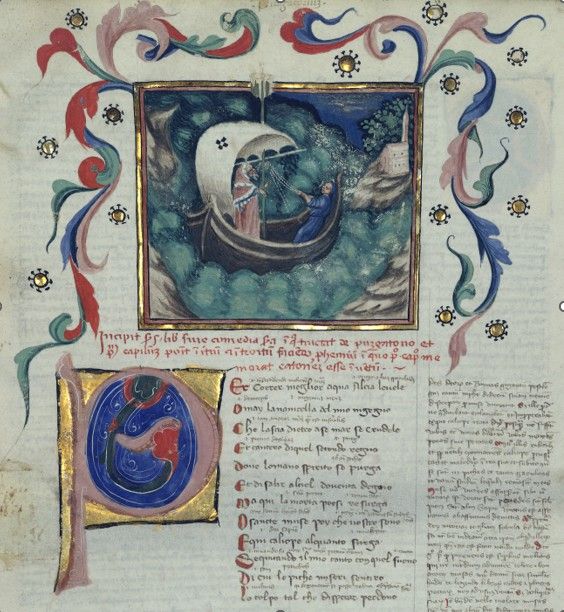
Illuminated manuscript page with a painted miniature of a boat at sea carrying two figures, decorated with red-and-blue ornamental scrollwork and a gold initial letter \"P\", surrounded by Gothic script.

Scene from Dante's Divine Comedy – the beginning of Purgatorio

A miniature from the famous Paris Dante codex depicts the beginning of Purgatorio, the second part of Dante's Divine Comedy. The codex, linked to Izola, represents a valuable testimony to the spread of Dante's work in the northern Adriatic.

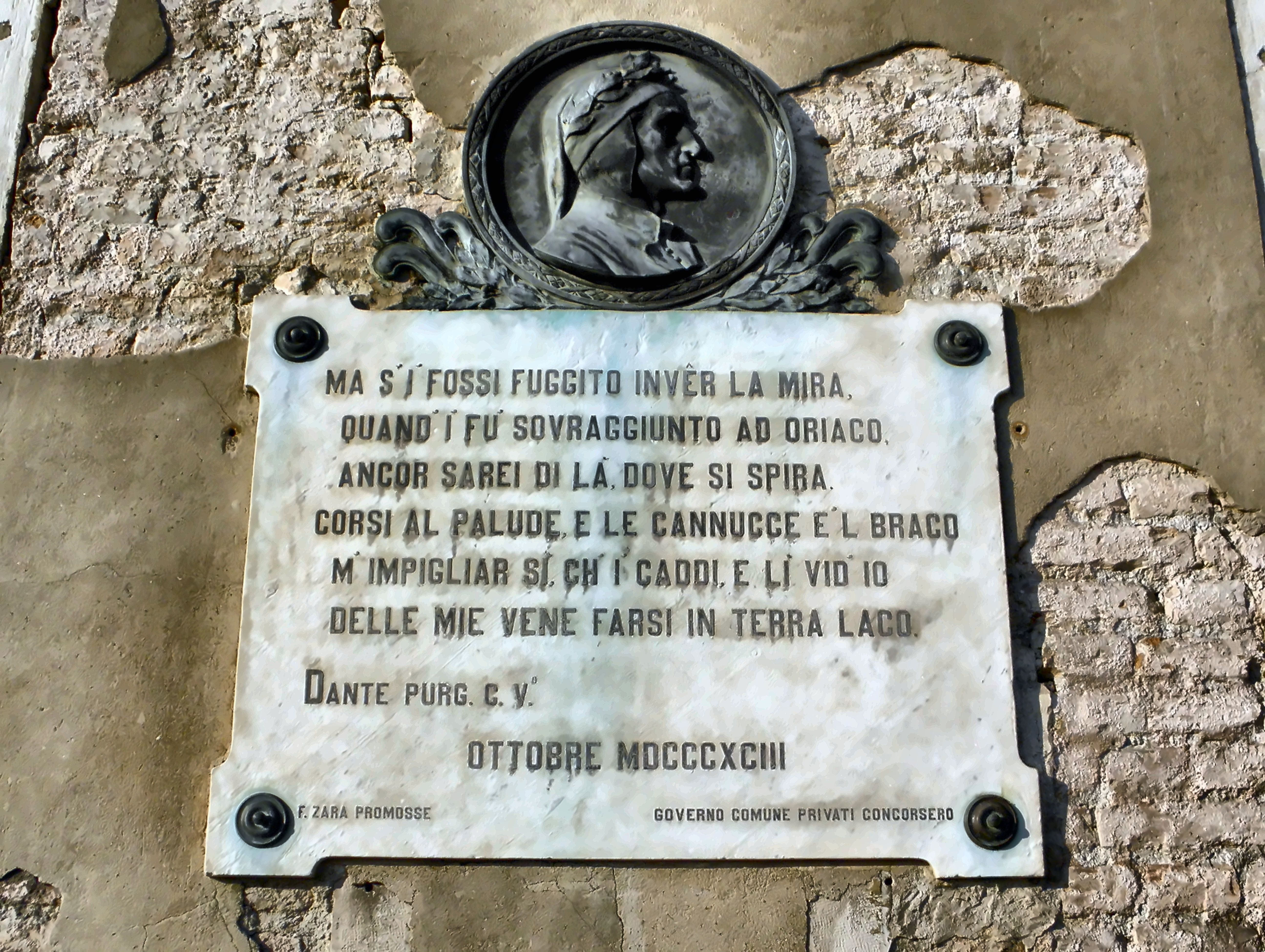
Dante Commemorative Plaque in Oriago, Mira

The commemorative plaque on the façade of Villa Moro in Oriago quotes the tercets from Inferno (V, 79–84), which mention the bloody murder of Jacopo di Uguccione del Cassero, the future Podestà of Milan, at the hands of Azzo VIII d’Este, Lord of Ferrara. It was near Oriago, on the banks of the canal where the Brenta bends towards the sea, that Jacopo breathed his last – wounded, covered in mud and his own blood.

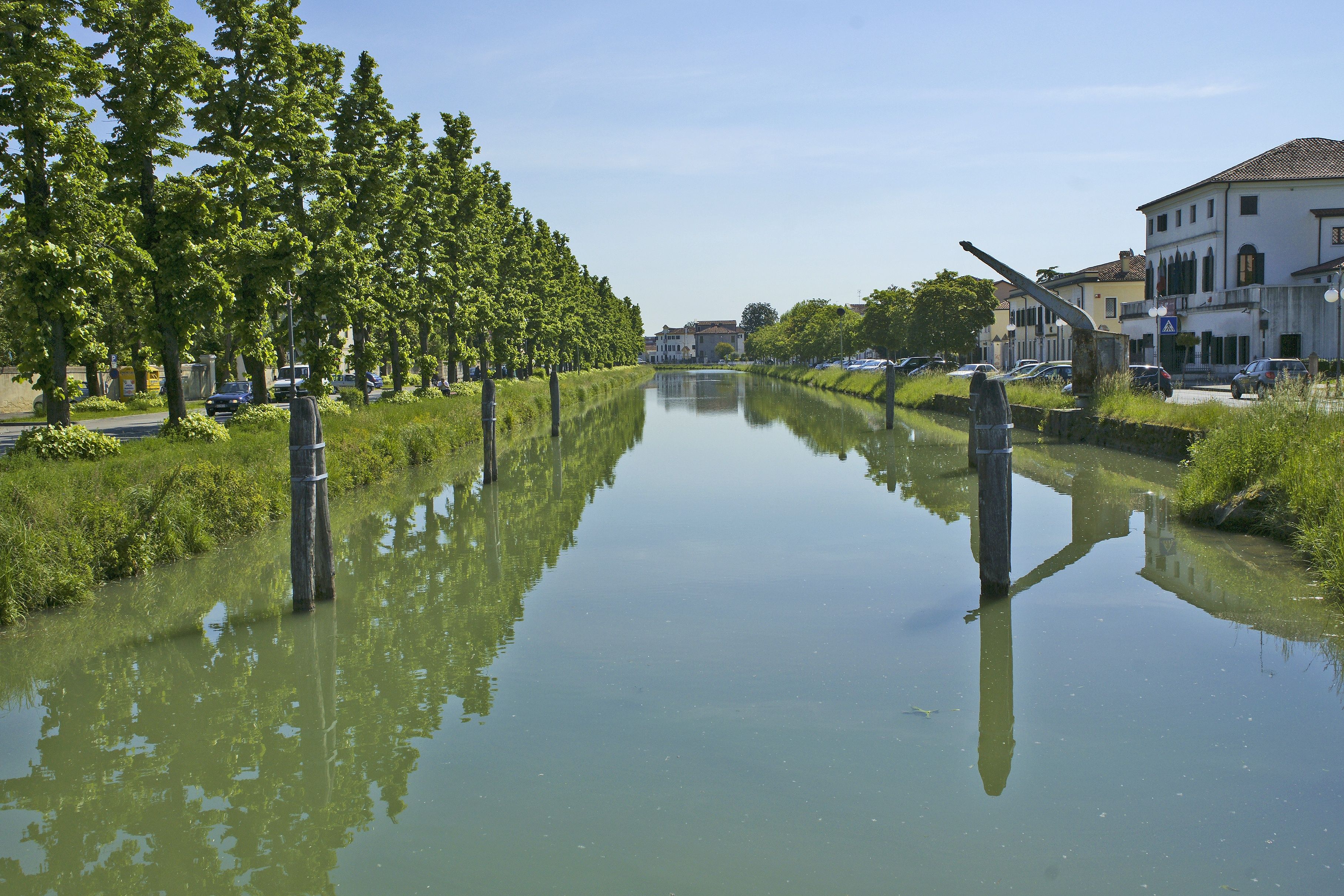
View of the Naviglio del Brenta in Mira

In Canto XVI of Inferno, Dante describes the burning sands of the sixth circle, where those who have committed violence against their loved ones are punished. To make the scene more vivid, he compares them to the embankments built in the Flemish lands between Wissant and Bruges, and to those along the Brenta River, which flows near Mira.

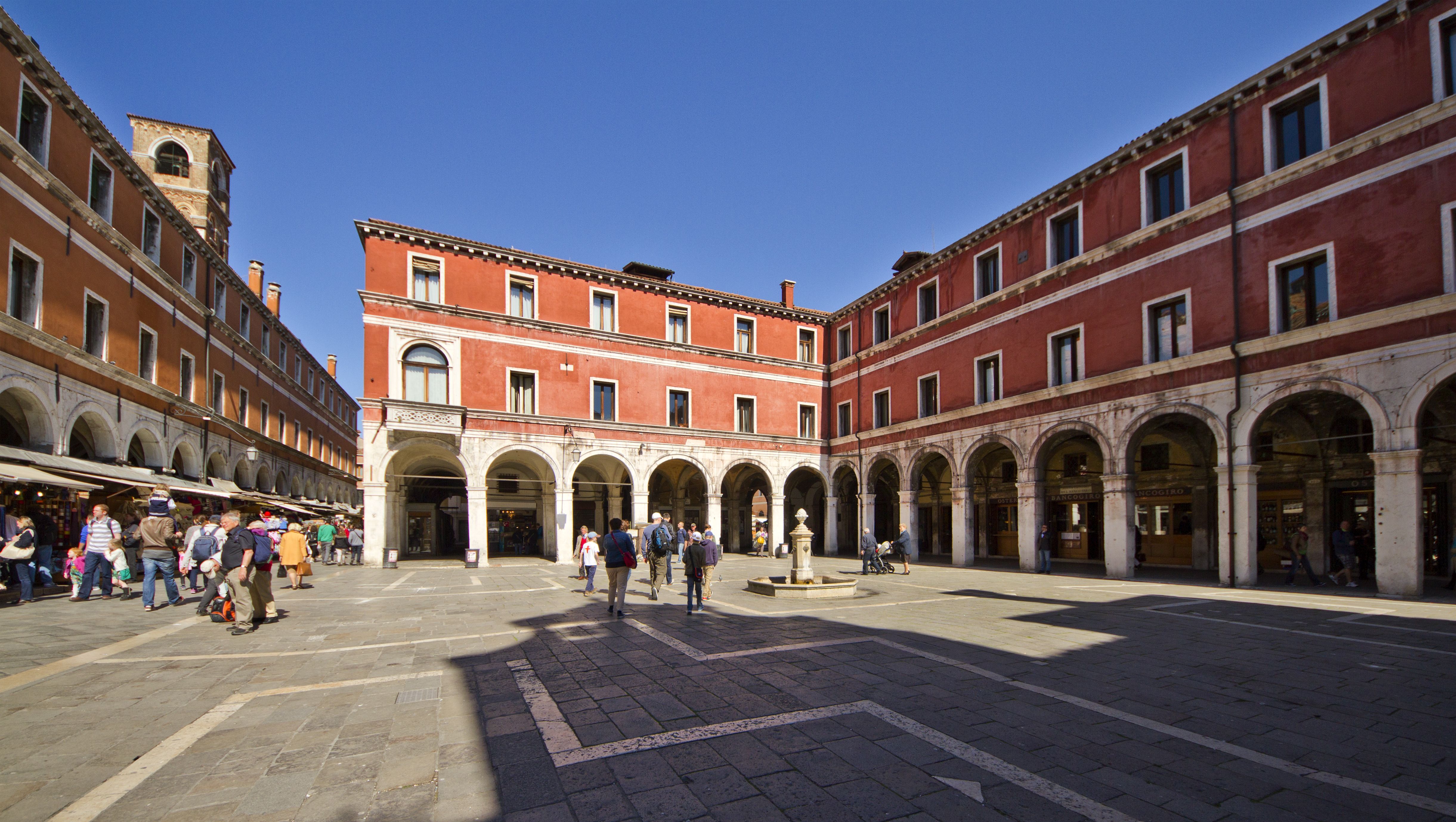
From Rialto to the Alps: Dante’s View of the Northeast

In Paradiso IX, 25–27, Dante evokes Venice through the word “Rialto”, the heart of the ancient lagoon settlement. Through this metonymy, the poet refers to a vast territory stretching from the commercial centre of the Serenissima to the Alpine sources of the Brenta and Piave rivers. It was both a real and symbolic landscape, which, according to Dante, was nevertheless marked by profound spiritual decline.