Dante’s Purgatory: Carnival and Community

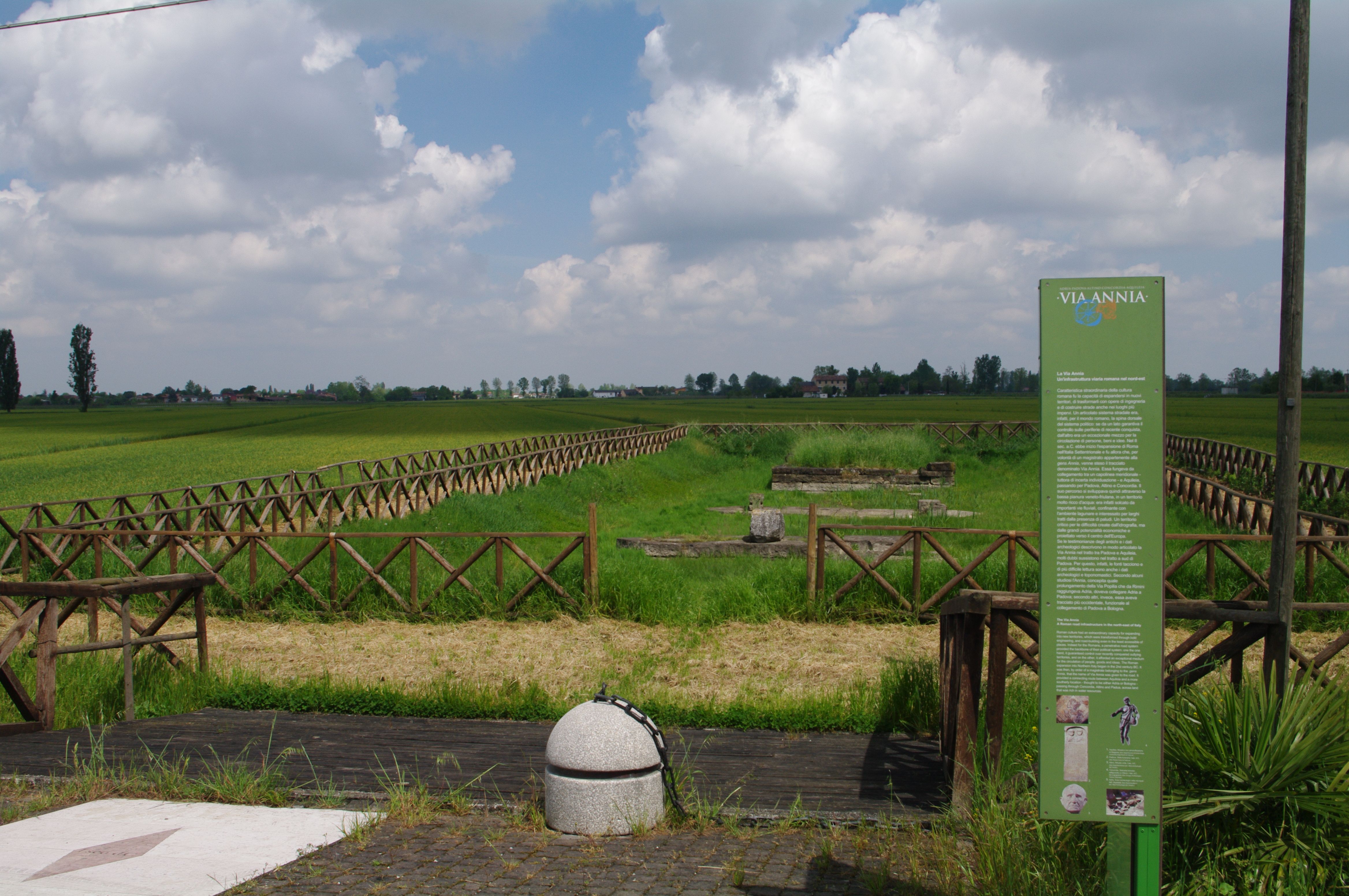
Ceggia, a municipality in the Metropolitan City of Venice, lies in the plain between the Piave and Livenza rivers, along the route of the ancient Roman road Via Annia, one of the main Roman thoroughfares that connected the northeastern Adriatic region. This past is attested by significant remains, among which the Roman bridge stands out, still visible today at its original location.

In 1389 Ceggia came under the influence of the Venetian Republic and over the centuries underwent numerous changes, connected above all with land reclamation and a constant relationship with water, which shaped the landscape and encouraged the development of agriculture in the area. Today its historical heritage is interwoven with Venetian villas, cycling routes, and slow-tourism trails that allow for an authentic discovery of the Basso Piave area.

Ceggia, a land at the crossroads of borders, paths, and encounters, is today part of a network dedicated to promoting cultural tourism. The DANTE project's visitor center is part of this journey: a place where history, landscape, and literature meet, offering new perspectives for exploring the area through the works and testimonies of writers and artists who, in their works, told the story of its identity.

Archaeological site along the Via Annia road amid green fields, enclosed by wooden fencing, with an information panel in the foreground and a cloudy sky in the background.

Roman bridge

The Roman bridge with three arches, built on the Via Annia road between the 1st and 2nd centuries AD, crossed the former course of the Piavon River. It was discovered in 1948 at Rivazancana. The bridge was 44 metres long and 6 metres wide. Today the remains of the piers and pillars, built from sandstone blocks, are still visible.

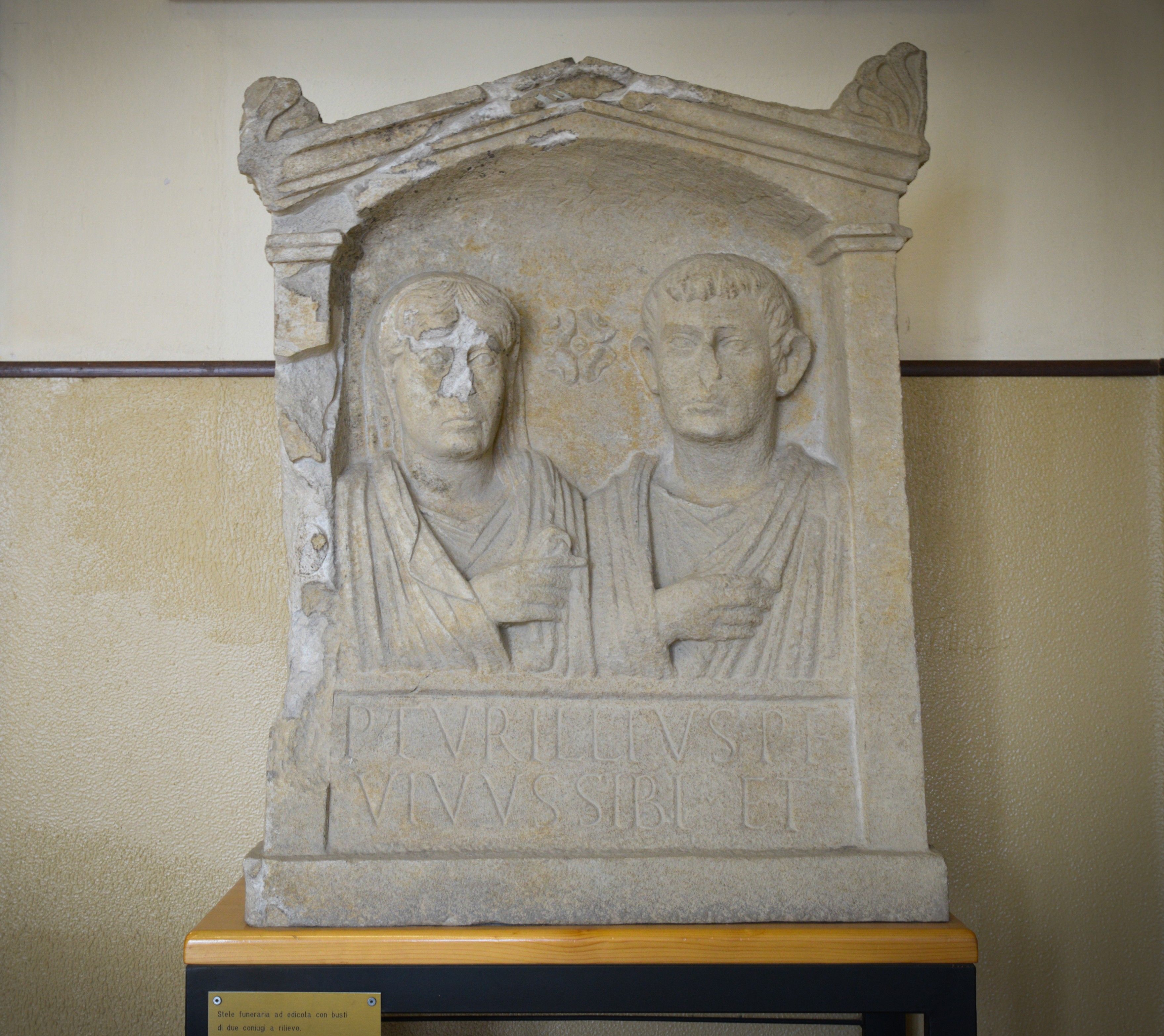
Roman funerary monument carved in stone with relief busts of a man and a woman in togas, a Latin inscription below, displayed on a wooden-and-blue base.

Funerary stele

In 1989, a Roman funerary stele from the early 1st century AD was discovered at Noghera. It bears a carved inscription mentioning the deceased Publius Turilius, son of Publius, who had the gravestone made for himself and his wife during his lifetime.

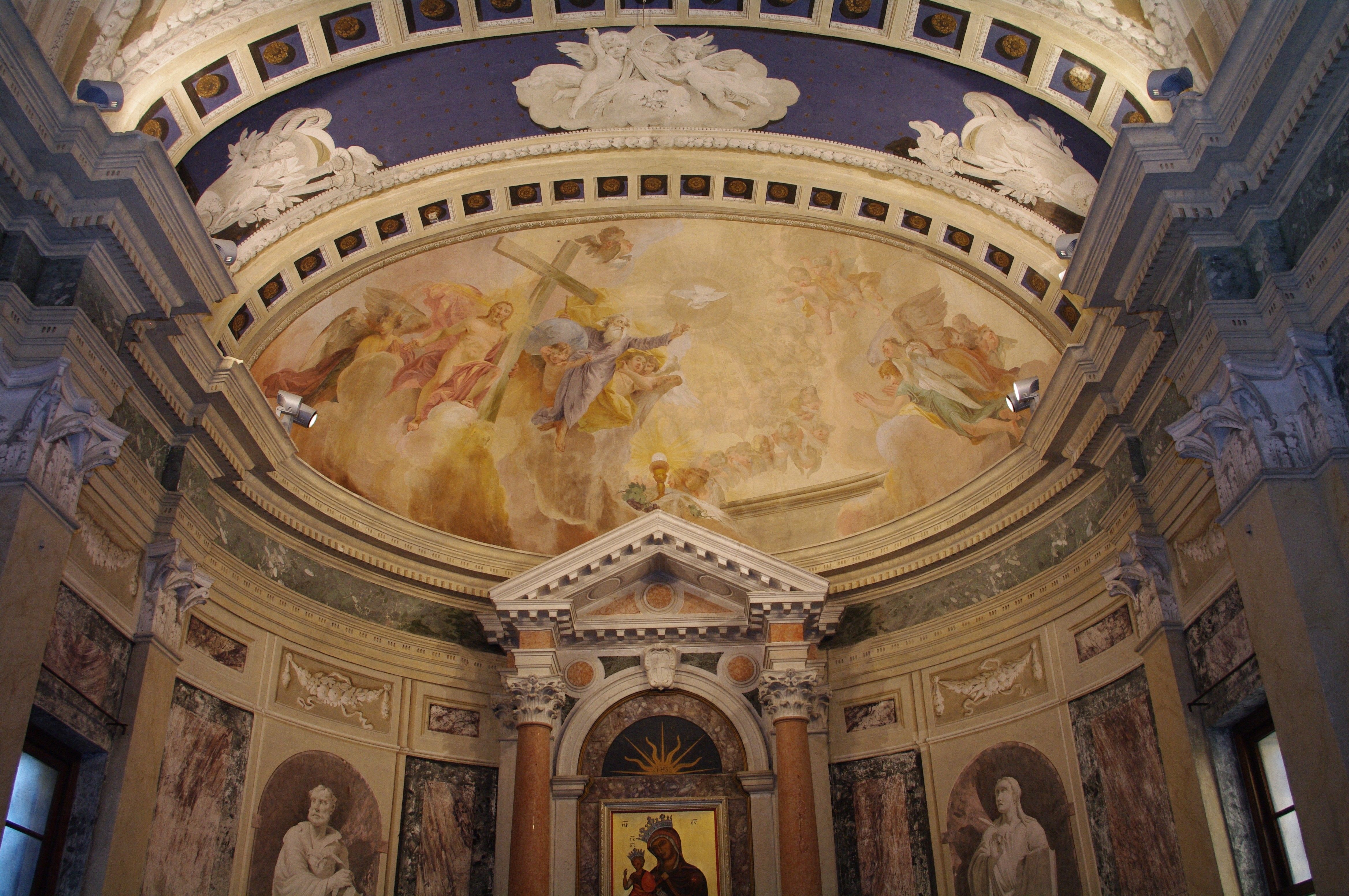
Richly decorated Baroque church apse with frescoes of angels and religious scenes on the vault, marble columns, and an altar painting of the Madonna and Child in the foreground.

Bragadin Oratory

The oratory, standing beside the Villa Loredan Bragadin Genovese, was built in 1795 on the orders of the Venetian nobleman Marcantonio Bragadin (1749–1819), son of Pier Alvise. The interior is adorned with beautiful frescoes with religious motifs, the work of the painter Giuseppe Bernardino Bison (1762–1844). Visits to the building are possible by prior arrangement at: archivioparrocchiaceggia@gmail.com.

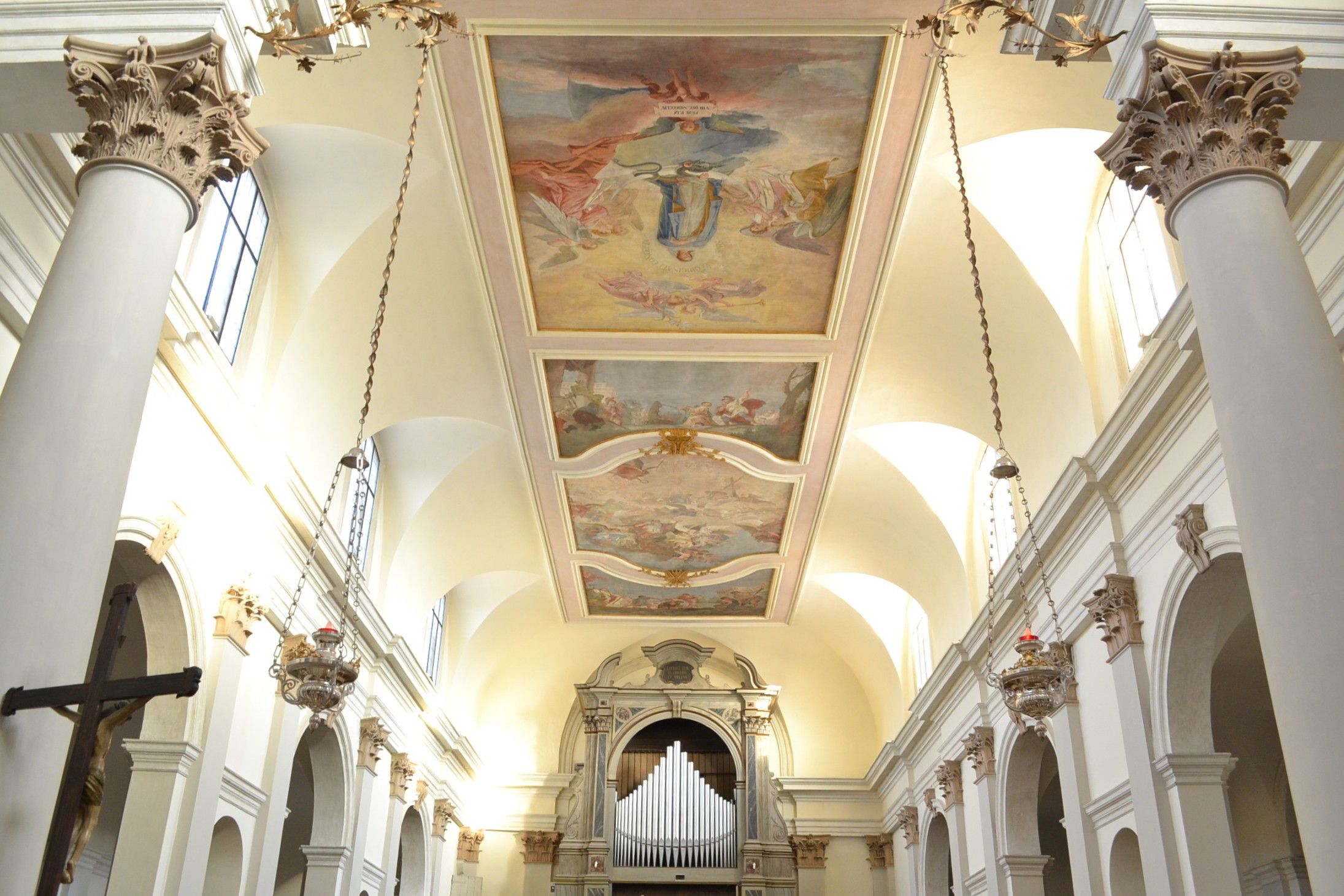
Interior of a church nave with white vaulted ceilings, Corinthian columns, and ceiling frescoes, with the church organ visible above the main entrance in the background.

Parish Church of St. Vitalis the Martyr

The church is first mentioned in 1334. Among its more notable works of art are the frescoes The Martyrdom and Triumph of St. Vitalis by the Venetian painter Giovanni Battista Canal (1745–1825), nephew of Canaletto, The Immaculate Conception by the painter Giacomo Ca' from Conegliano (1827–1887), and the large altar canvas The Lamentation over the Dead Christ by the painter Paolo de Lorenzi from Soligo (1733–1818).

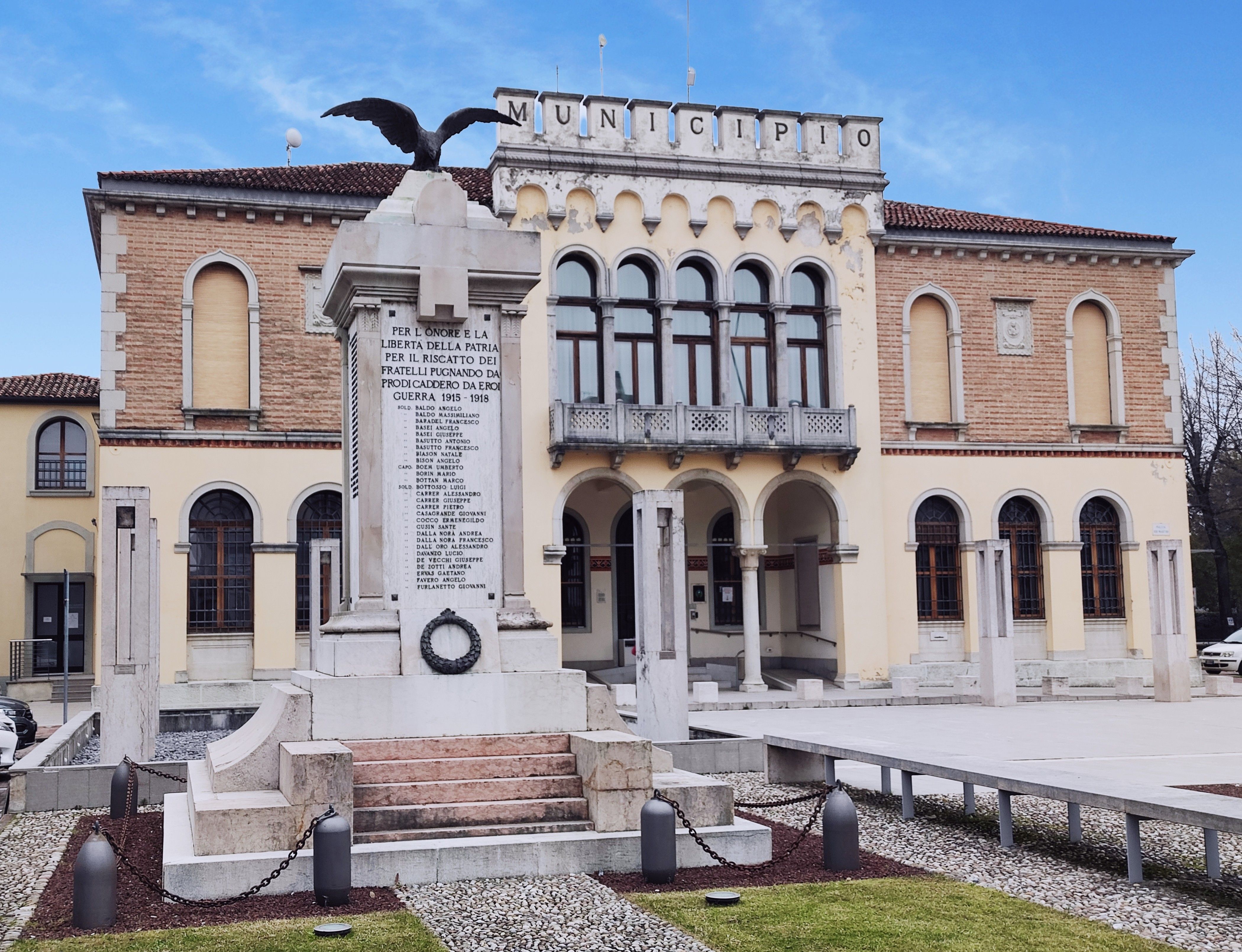
War memorial with a bronze eagle on top, standing in front of a town hall building with the inscription \"MUNICIPIO\", featuring prominent arcades and a balcony, under a clear blue sky.

Municipal Palace and Piazza XIII Martiri (Square of the 13 Martyrs)

The Municipal Palace was built according to the designs of the Venetian architect Giovanni Sardi (1853–1913) and solemnly opened in 1912. The war memorial dates from 1922 and bears the names of Ceggia's residents who fell in both world wars. Since 2004, 13 stone memorials on the square commemorate the partisans shot in Venice in 1944, among them the local resident Angelo Gressani.

Source: Antonio Parcianello and Maurizio Marchesin

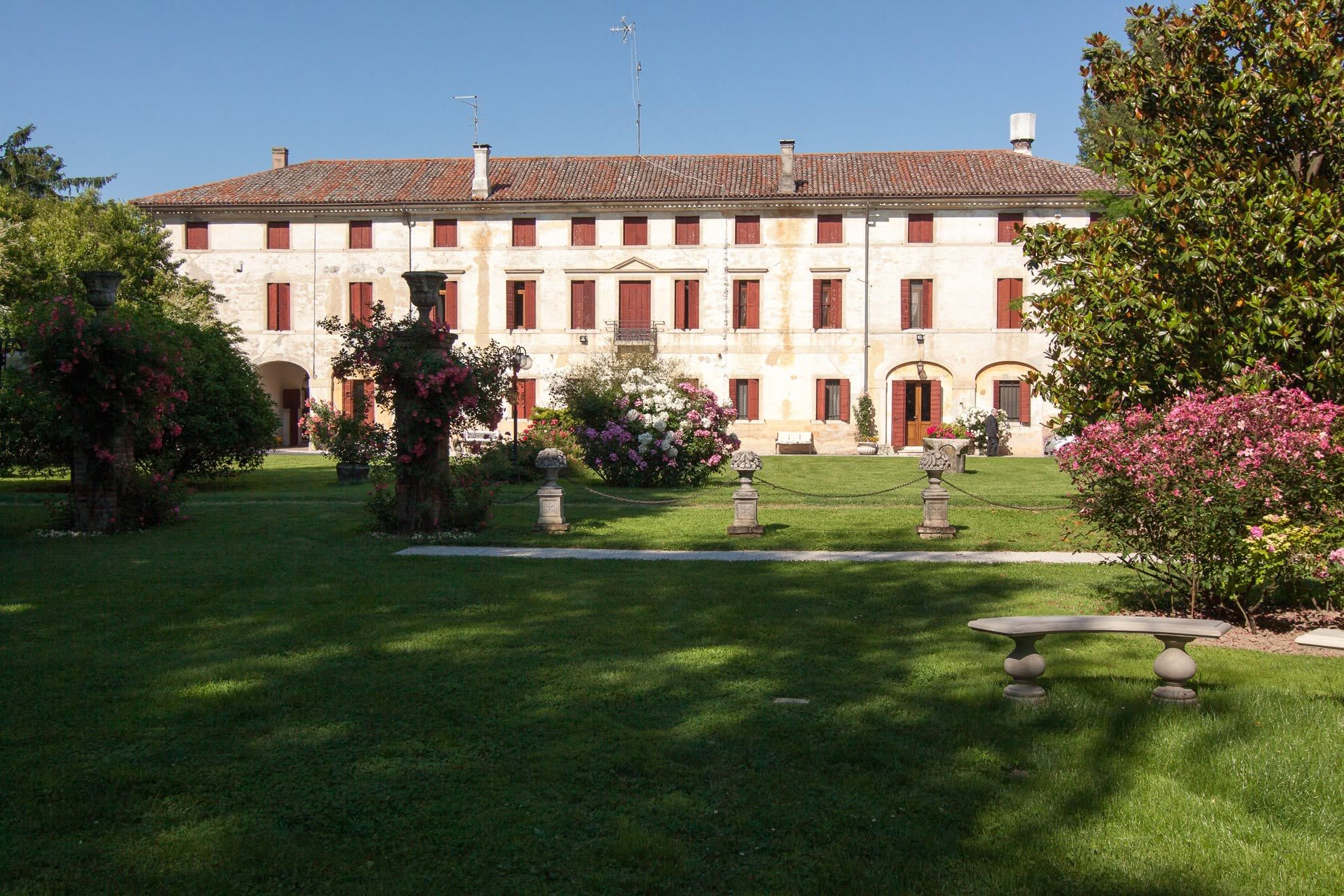
Villa with red shutters and roof tiles, surrounded by a well-tended garden with flowering shrubs, a stone bench, and a fountain, under a clear blue sky.

Villa Marcello Loredan Franchin with oratory

The villa stands at Prà di Levada and was part of an extensive agricultural estate that, between 1490 and 1810, belonged to the Santa Maria degli Angeli monastery on Murano. In 1929 it was purchased by the knight Giuseppe Franchin. The oratory houses an 18th-century wooden statue of the seated Blessed Virgin Mary of the Rosary. In 1853 the building was completely rebuilt.

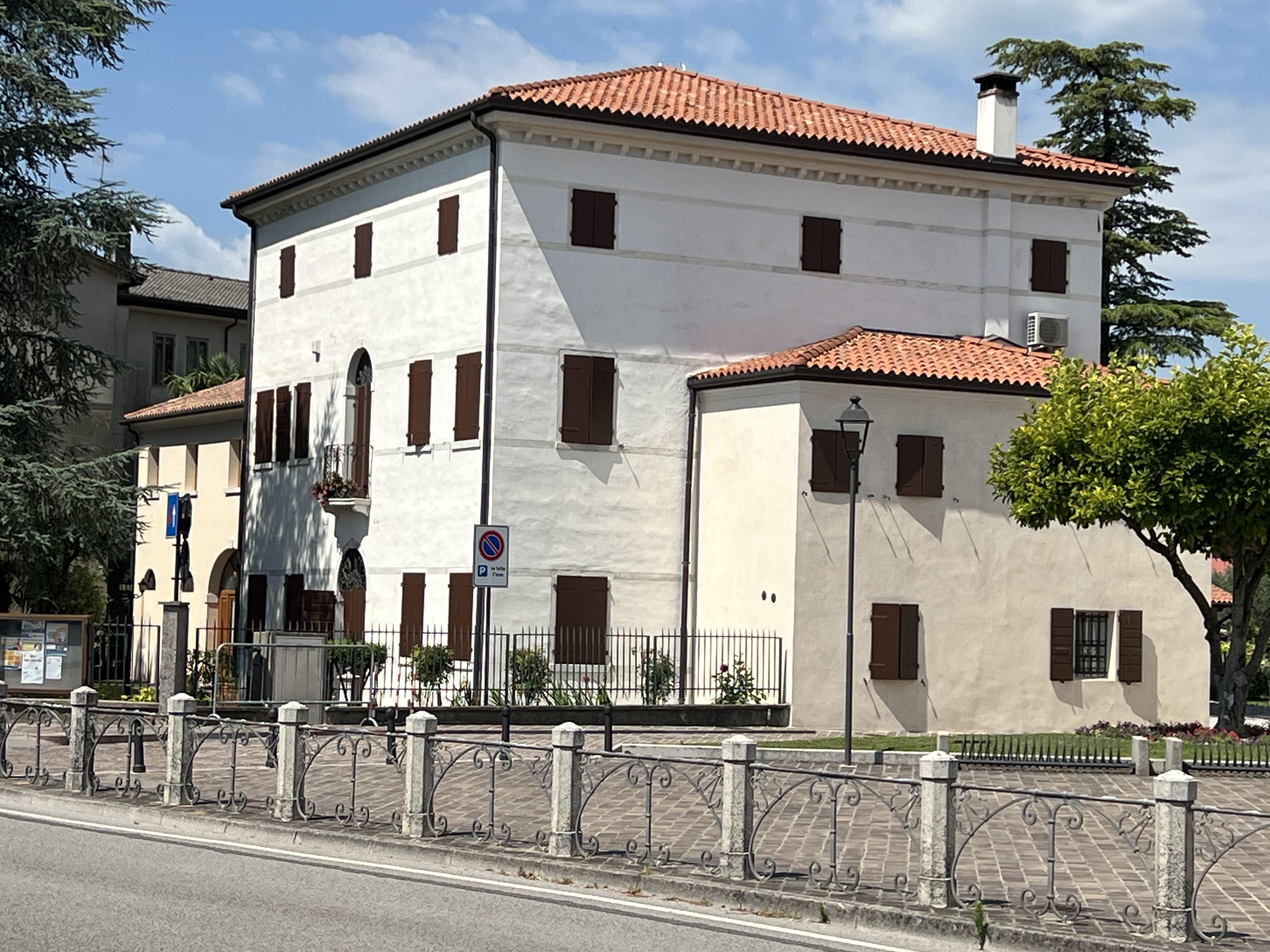
White village house with brown shutters and a tiled roof, enclosed by a low metal fence along the road, with a church bell tower visible in the background on the left.

Villa Morosini

Villa Morosini, today the parish house of the Parish Church of St. Vitalis, is one of the oldest historic buildings in Ceggia. It was designed in the 16th century, and between the 18th and 19th centuries it was owned by the Venetian noble family Morosini dalla Sbarra. In 1839, Nicolò Giovambattista Morosini, the last representative of this branch of the family, transferred the estate to the church administration of the Ceggia parish.

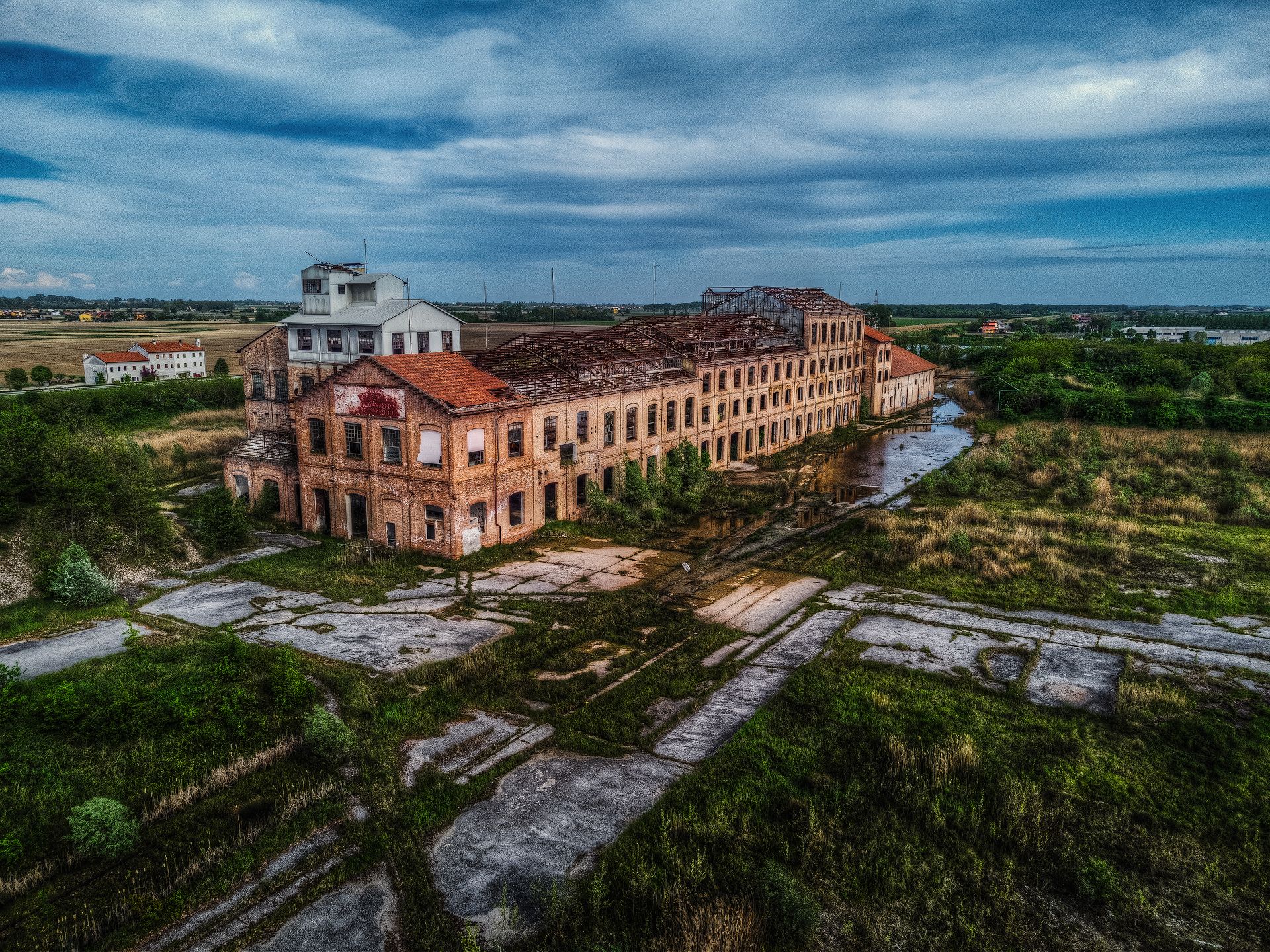
Aerial view of an abandoned industrial building with a crumbling roof and empty windows, surrounded by overgrown concrete ruins and grass, under a dramatic cloudy sky.

Former Eridania sugar factory

The former sugar factory is an important example of industrial heritage and bears witness to the area's agricultural and manufacturing orientation in the 20th century. Today the site also offers a natural-history observation point – a bird-watching tower, from which a view opens onto the surrounding landscape.

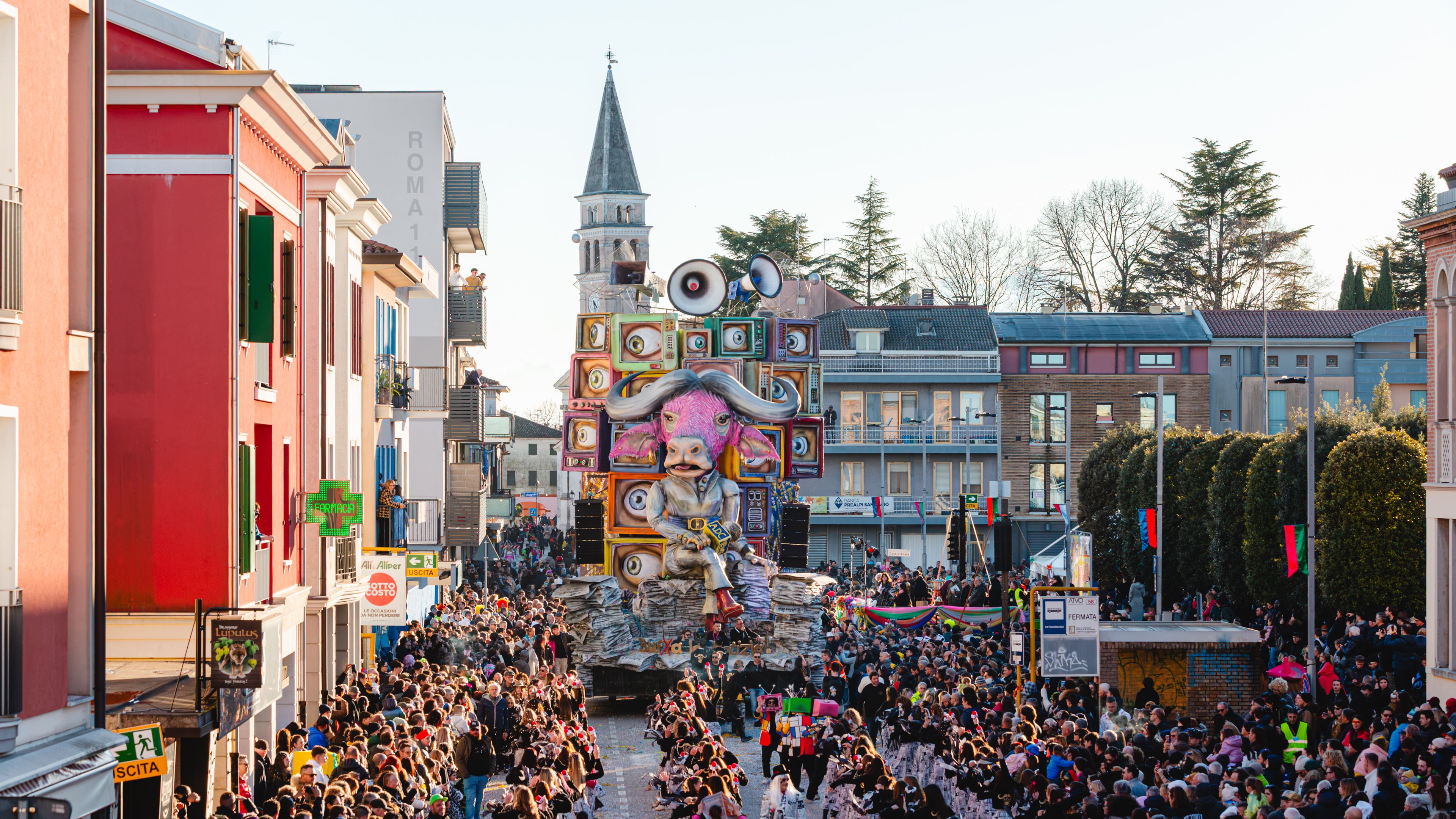
Crowd of people at a carnival parade in a town square, with a large colourful allegorical float in the background and a church bell tower rising above the buildings.

Children's Carnival

The historic carnival preserves tradition, art, and folk culture through spectacular carnival floats and the work of numerous volunteers. It is an occasion for togetherness that connects generations, encourages creativity, and strengthens the sense of community. Every edition turns into a festival that draws thousands of visitors, giving them unforgettable experiences and smiles.

Logo of the event \"Sì, viaggiare\" featuring an illustration of a paper boat made up of text, above blue wavy lines, next to the municipal coat of arms in the top right corner.

Sì Viaggiare – Travel Literature Festival

Sì Viaggiare is a travel literature festival organized by Mazzanti Libri and the Municipality of Ceggia. It includes meetings on the themes of travel, space, and sustainable development, as well as the presentation of the Dispatriati literary award, dedicated to works on human migration. The festival brings together writers, journalists, and academics.

Back