Udine
Dante's presence in this territory, corresponding to today's Udine area, is reflected through a network of places, stories, historical testimonies, and literary heritage.
The towns of Udine–Moimacco–Tolmezzo represent the Park of Justice and Governance.
This park draws on the tradition of Dante's connection with the territory of the Patriarchate of Aquileia. The earliest historical records mentioning Dante's visit to Friuli date back to the early 16th century, when the Udine notary Giovanni Candido confirmed Dante's presence at the court of Patriarch Pagano della Torre in Udine, where he is said to have stayed between 1319 and 1320. Other scholars, such as Bianchi, have pointed out that a close relationship between Dante and Pagano della Torre is unlikely, since Dante leaned toward the Ghibelline faction.
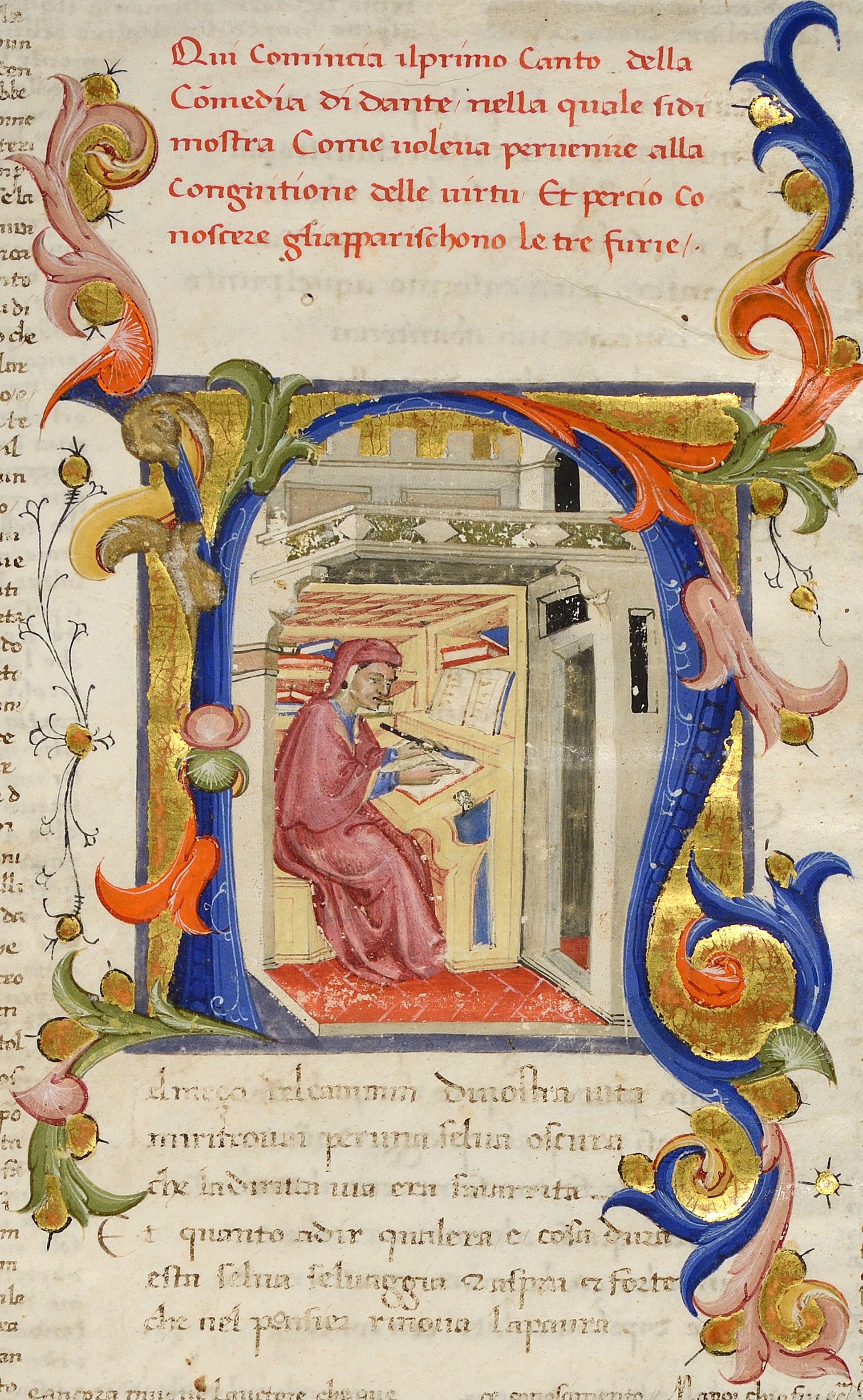
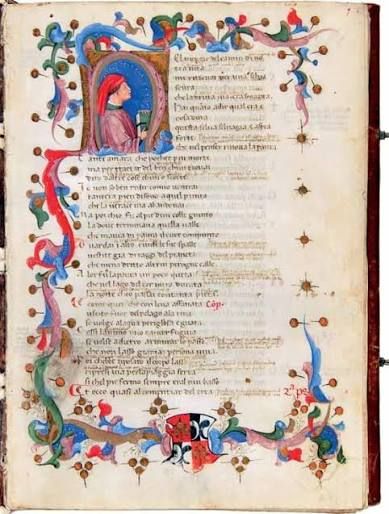
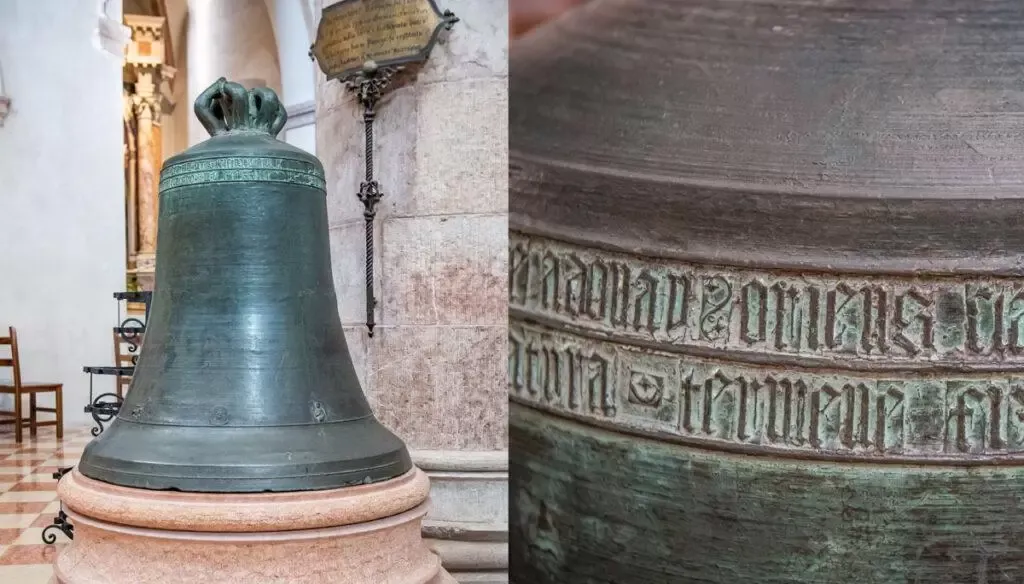
Friuli also preserves material evidence of the early reception of his work, among which the bell of the Gemona Cathedral, dating from 1423, stands out, bearing a few verses from the final canto of Paradiso. The Codex Claricinensis, the only codex written in Friuli, in 1466, at Villa de Claricini Dornpacher in Moimacco, and now preserved in the Civic Library of Padua, together with seven other codices and fragments of the Divine Comedy held in Friuli, testifies to a strong Dantean tradition in this region. In Udine, one can also find some interesting traces recalling Dante: around 1330, the painter Vitale da Bologna painted an image in the cathedral believed to depict Dante together with Boccaccio and Petrarch.
In this territory, Dante's legacy opens up themes of power, law, order, and political thought, intertwining with Friuli's long literary tradition. Through contemporary literary dialogue, the park connects with authors such as Pier Paolo Pasolini, Carlo Sgorlon, Turoldo, Ilaria Tuti, Avoledo, Ginzburg, Galiano, and others.
Tolmezzo adds a contemporary festival dimension to this story – a space where literature lives not only in books, but also in gatherings and community.
The proposed itineraries guide visitors along routes where medieval history, the Dantean tradition, cultural heritage, and contemporary literary creativity intertwine. Each route reveals a particular aspect of the relationship between Dante, the Friulian territory, and questions of law, power, community, and cultural memory.