Tolmin
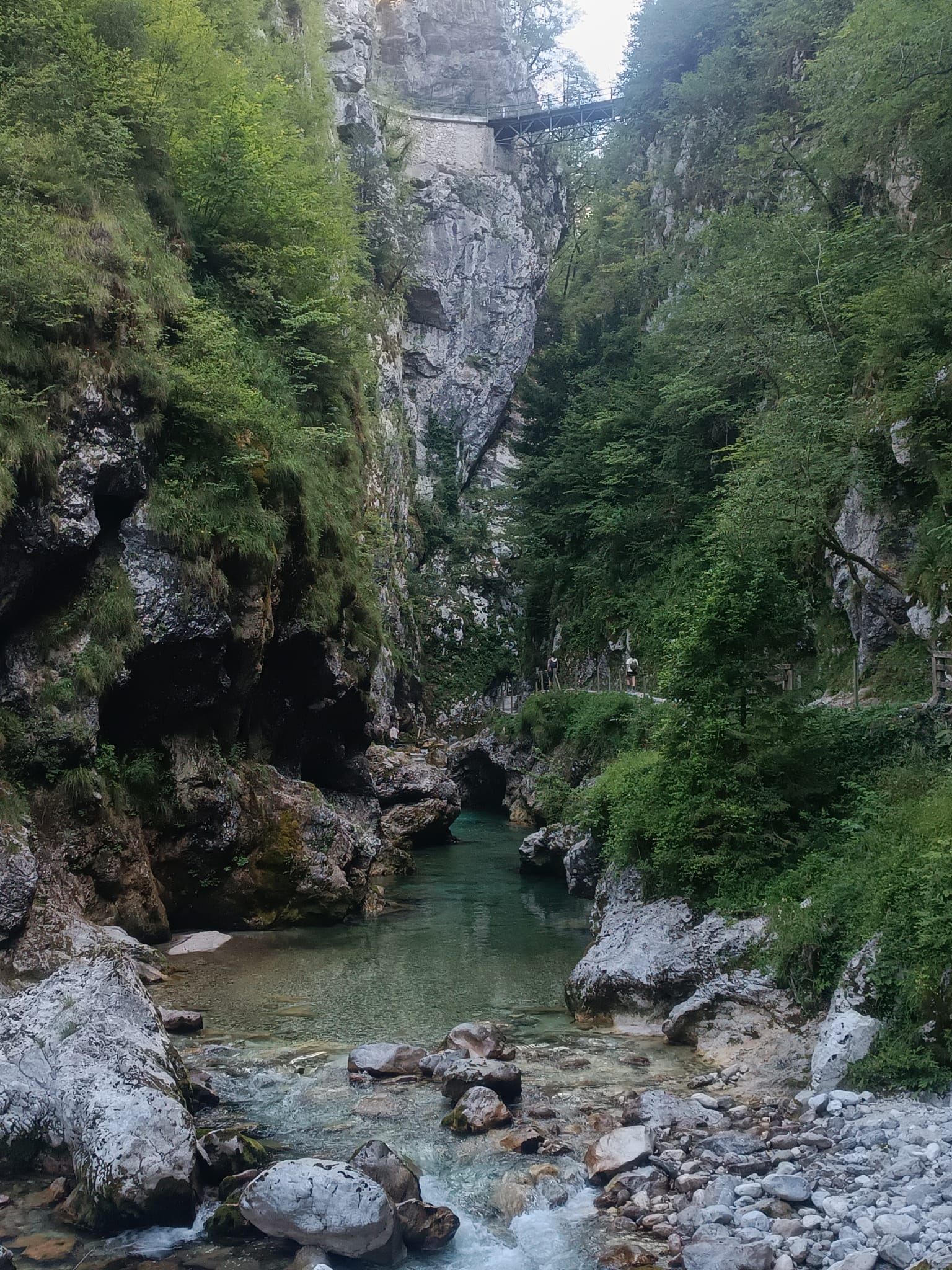
Tolmin is one of the most mysterious stops on the Dante route, linked above all to legends that over the centuries have shaped the image of the place as a realm of depths, trials, and descent into the unknown. The natural landmarks of the Tolmin Gorge, Zadlaška Cave, and the surrounding peaks inspired stories connecting Dante to this part of Slovenian territory and to the creation of the images of the underworld described in the Comedy.
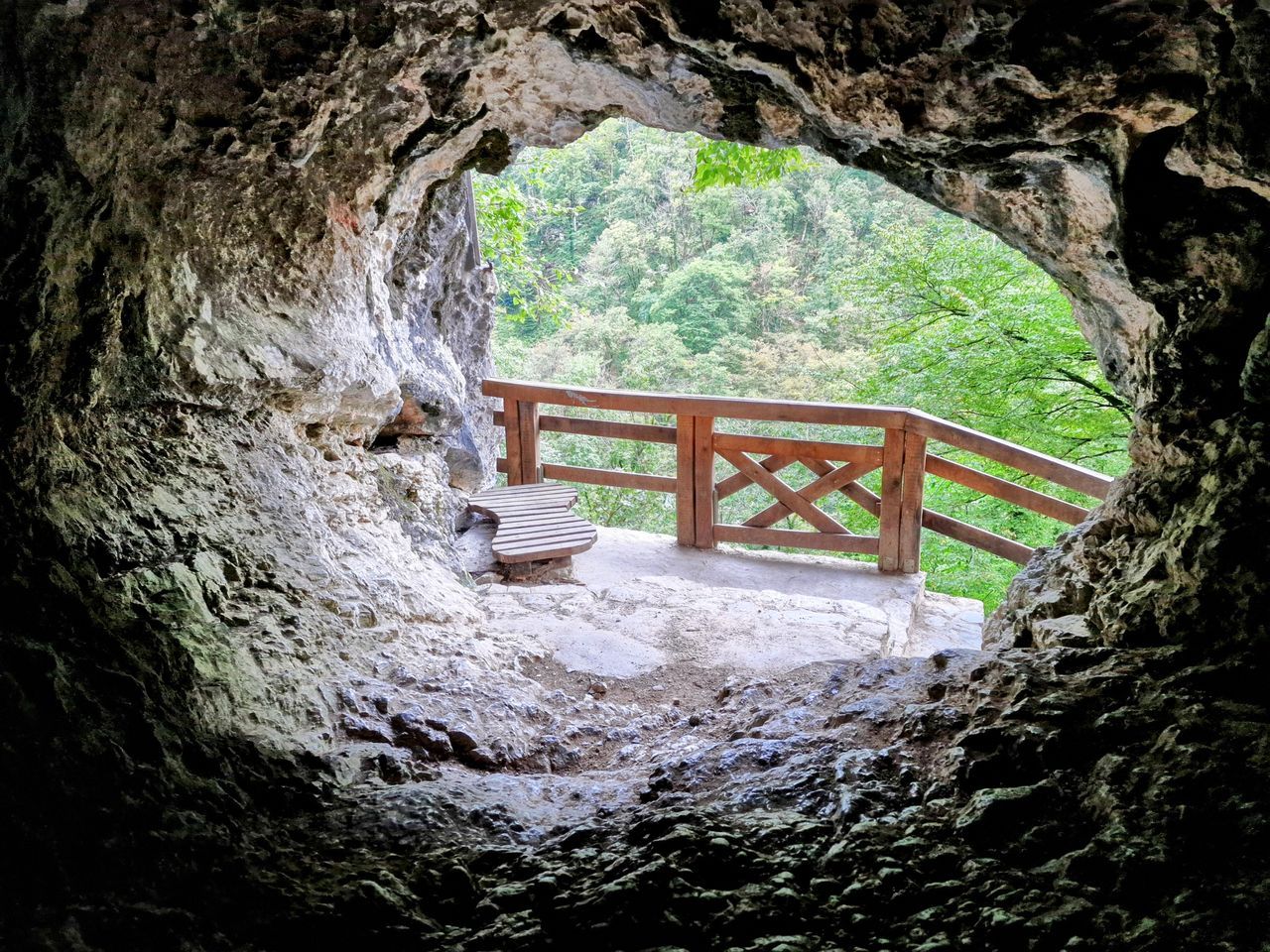
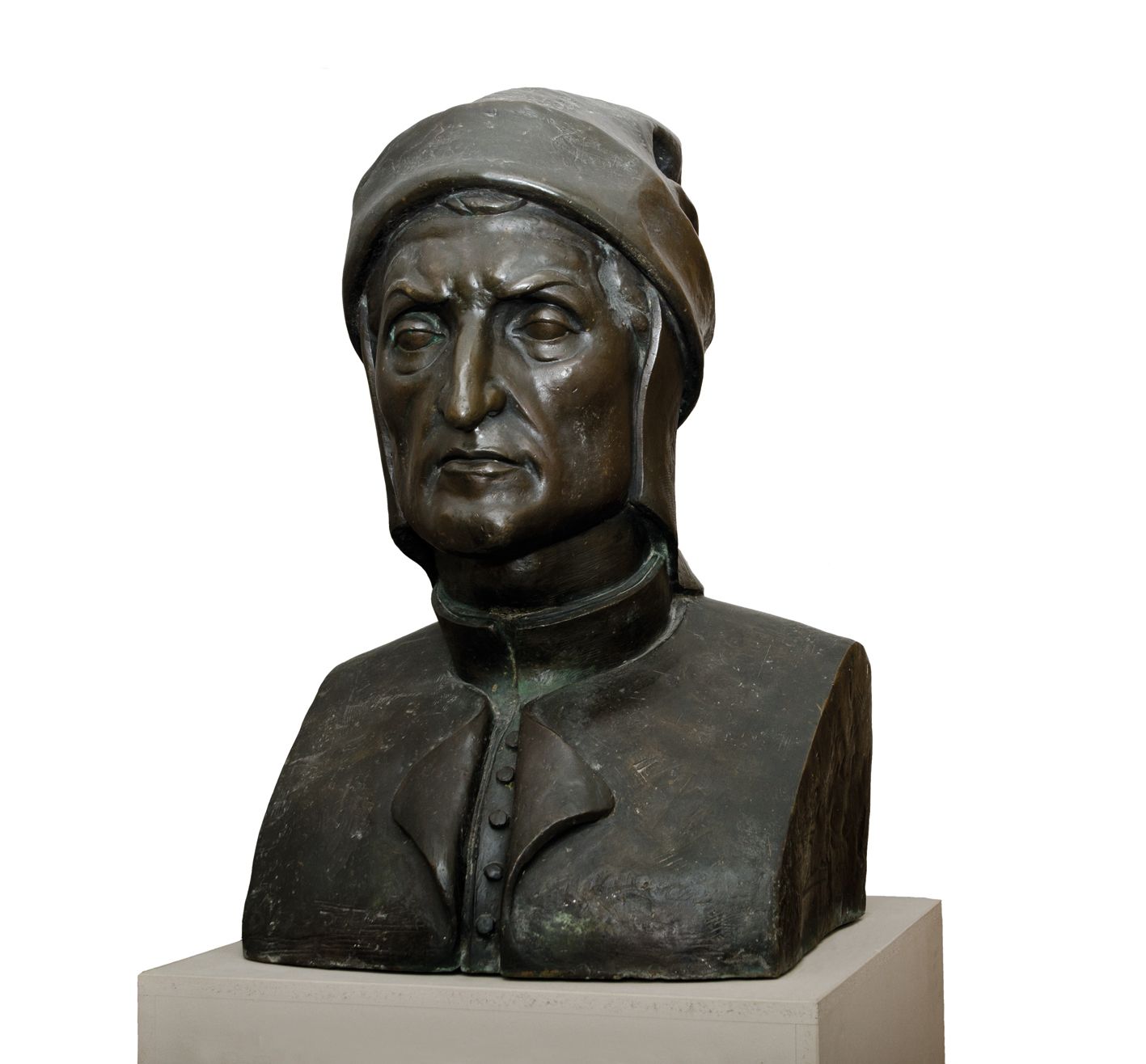
Tolmin represents the Park of Hell, a park of descent and depths. At its heart lies the Slovenian legend of Dante's Cave above the Tolmin Gorge, of Dante's Chair above the river, and of the poet who, as a guest of the patriarch, is said to have contemplated waters, fish, and the image of the underworld.
Zadlaška Cave, also known as Dante's Cave, is located by the gorge of the Tolminka river, where Dante is said to have reflected on the Inferno. According to Bassermann, Dante's Cave was nothing other than "a model of the abyss where Lucifer rests," while the caves at Postojna represented the way out of it.
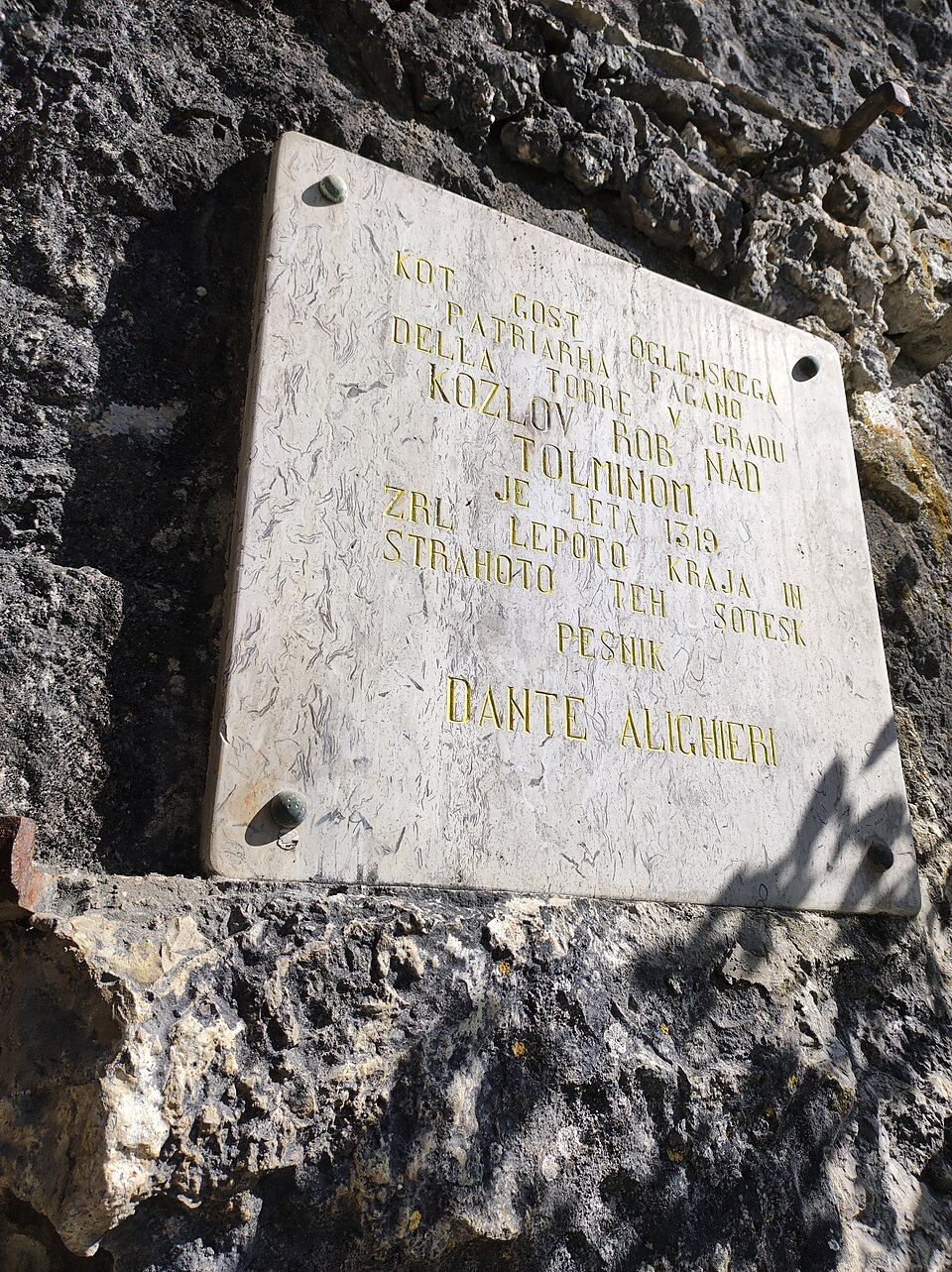
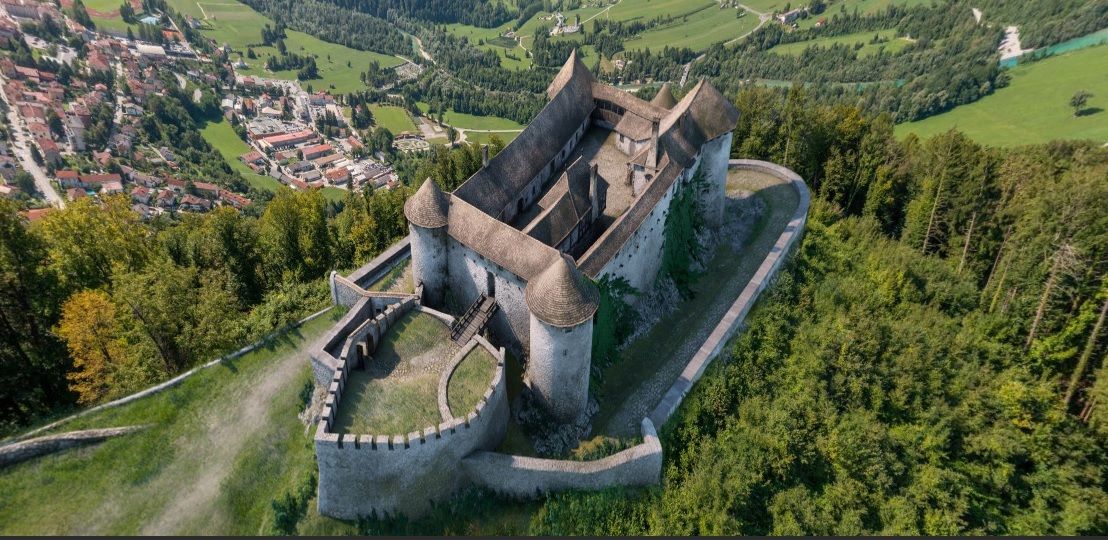
The rock above the river has long been known as "Dante's Chair," where the poet is said to have liked to sit and reflect. The oldest record of Dante's visit to Slovenian territory is found in the work of Valvasor from the 16th century. Dante was a guest of Patriarch Pagano della Torre between 1319 and 1320, and could easily have made frequent trips from Cividale to Tolmin. According to Ziliotto, he came here to admire the nature and the fish, drawing from this inspiration for his treatise On the Nature of Fish (Questio de aqua et terra). The literary park extends further toward Kozlov rob — the remains of an ancient fortress above Tolmin, where one can imagine Dante may have walked — and even toward the underground watercourse between Pekel and the Postojna Cave. Javornik and Lake Cerknica correspond to the icy lake of Cocytus and the mysterious mountain of Tambernic mentioned in Inferno XXXII, 28.
A walk through Dante's Tolmin thus brings together natural heritage, historical memory, and rich local tradition into a single story of a place where the real Karst landscape intertwines with the literary imagination of one of Europe's greatest poets.